Exceptional service--prompt, courteous, and punctual! They were incredibly accommodating, making the experience seamless. A well-deserved 5-star review. Thank you, Joe!
- Noel L.
After 50 years of dealing with contractors through both good and bad experiences, I can most assuredly tell any and everyone that the service I received from Alltech HVAC is...
- Calvin J
Friendly and knowledgeable people from office staff to installers. Highly recommend them.
- Carol O.
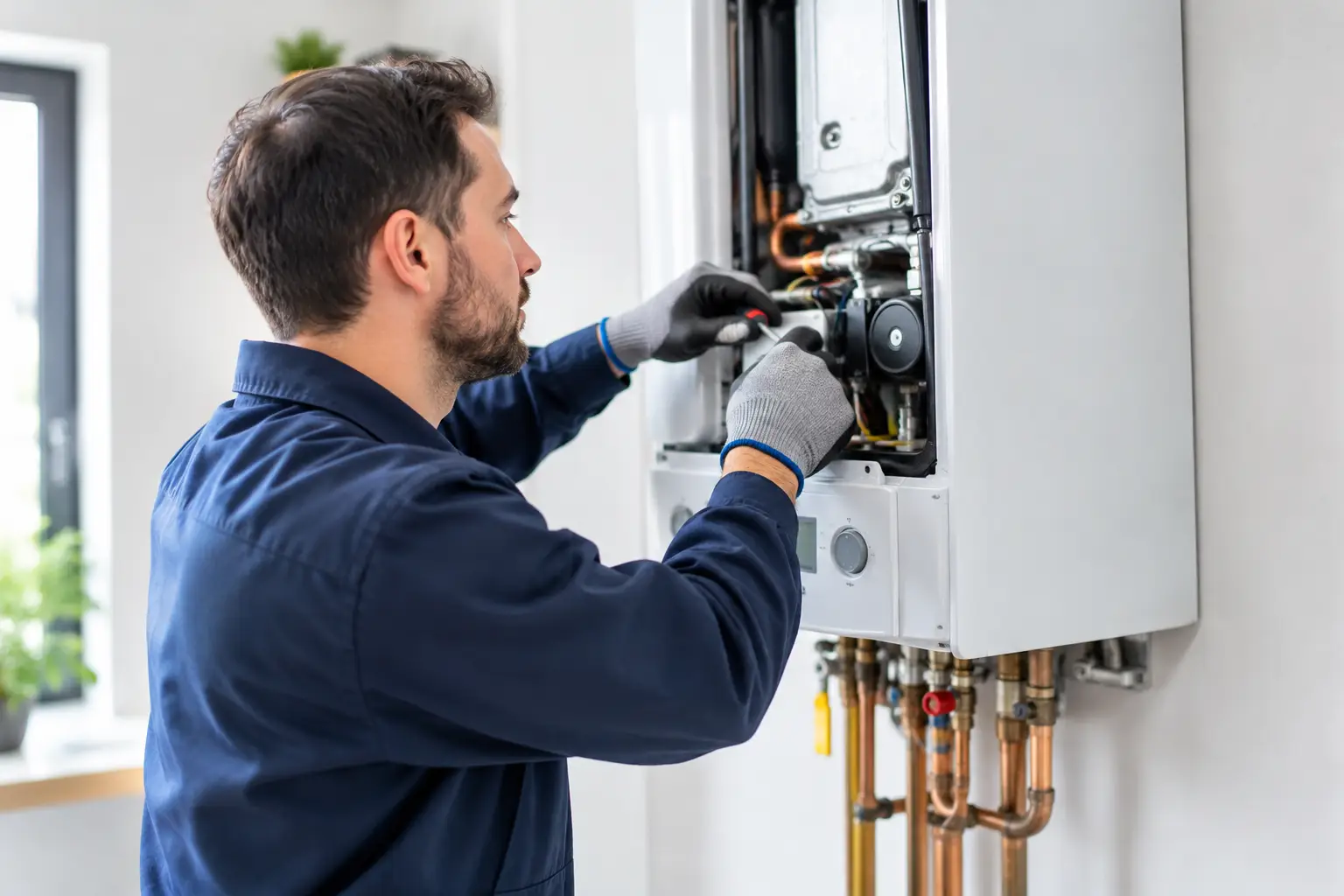
Shoutout to Alltech specifically Alex and Ray . They did a phenomenal job putting in my new boiler. Highly recommend this company.
- Chris U.
Andrew repaired our HVAC system a few weeks ago after our plumbers determined that water in our basement was caused by pipes that were rusted out (hidden in a cabinet)...
- Jane T.
My air conditioner would not turn on. Called yesterday and had a tech out the next day. The tech was here for less than 15 minutes and determined it was...
Heating, ventilation, and air conditioning (HVAC) systems are essential for maintaining comfortable indoor environments. These systems regulate temperature, humidity, and air quality, ensuring that homes and businesses remain comfortable throughout the year.
HVAC systems come in various forms, including central air conditioning, heat pumps, and ductless mini-splits. Each type has its own advantages and is suited for different applications, allowing homeowners to choose the best option based on their specific needs and energy efficiency goals.
Tips for HVAC Maintenance
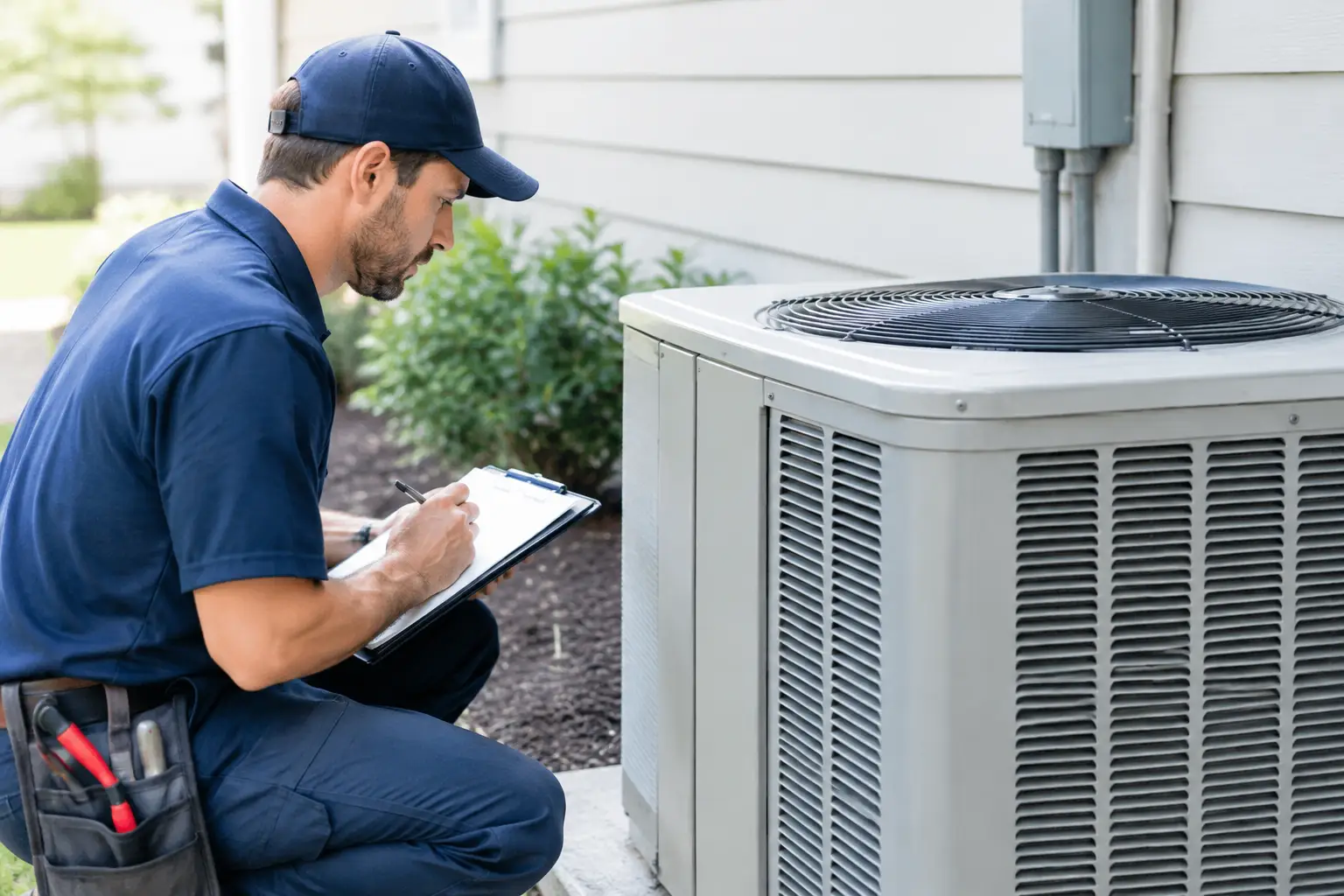
Regular maintenance is crucial for the longevity and efficiency of your HVAC system. Simple tasks such as changing air filters, cleaning ducts, and scheduling annual professional inspections can prevent costly repairs and ensure optimal performance.
For instance, changing air filters every 1-3 months can significantly improve air quality and reduce energy consumption. Additionally, scheduling a seasonal tune-up with a qualified technician can help identify potential issues before they escalate, ensuring your system runs smoothly year-round.
Choosing the Right Air Filter
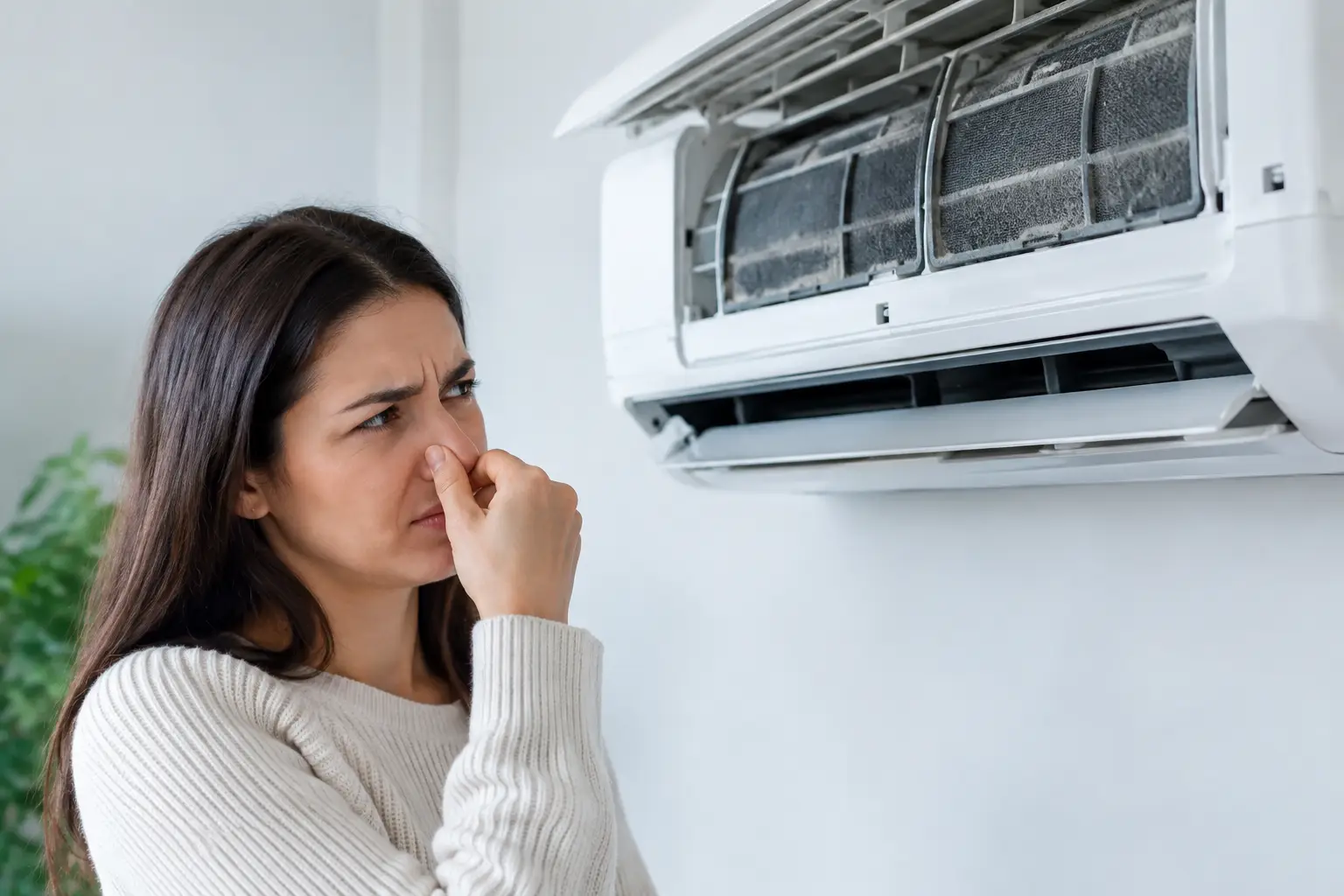
Selecting the appropriate air filter is vital for maintaining indoor air quality and HVAC efficiency. Filters come in various types, including HEPA, pleated, and fiberglass, each designed to capture different sizes of airborne particles.
HEPA filters, for example, are highly effective at trapping allergens and dust, making them ideal for households with pets or allergy sufferers. On the other hand, pleated filters offer a balance between airflow and filtration efficiency, making them a popular choice for general use in residential HVAC systems.
Energy Efficiency in HVAC Systems
Improving energy efficiency in HVAC systems can lead to significant cost savings and environmental benefits. By investing in energy-efficient models and implementing smart home technologies, homeowners can reduce their energy consumption and carbon footprint.
For example, Energy Star-rated HVAC systems use advanced technology to minimize energy use while providing optimal comfort. Additionally, programmable thermostats allow users to set heating and cooling schedules, further enhancing energy savings and ensuring that systems operate only when needed.
Understanding HVAC Systems
Heating, ventilation, and air conditioning (HVAC) systems are essential for maintaining comfortable indoor environments. These systems regulate temperature, humidity, and air quality, ensuring that homes and businesses remain comfortable throughout the year.
HVAC systems come in various forms, including central air conditioning, heat pumps, and ductless mini-splits. Each type has its own advantages and is suited for different applications, allowing homeowners to choose the best option based on their specific needs and energy efficiency goals.
Tips for HVAC Maintenance
Regular maintenance is crucial for the longevity and efficiency of your HVAC system. Simple tasks such as changing air filters, cleaning ducts, and scheduling annual professional inspections can prevent costly repairs and ensure optimal performance.
For instance, changing air filters every 1-3 months can significantly improve air quality and reduce energy consumption. Additionally, scheduling a seasonal tune-up with a qualified technician can help identify potential issues before they escalate, ensuring your system runs smoothly year-round.
Choosing the Right Air Filter
Selecting the appropriate air filter is vital for maintaining indoor air quality and HVAC efficiency. Filters come in various types, including HEPA, pleated, and fiberglass, each designed to capture different sizes of airborne particles.
HEPA filters, for example, are highly effective at trapping allergens and dust, making them ideal for households with pets or allergy sufferers. On the other hand, pleated filters offer a balance between airflow and filtration efficiency, making them a popular choice for general use in residential HVAC systems.
Energy Efficiency in HVAC Systems
Improving energy efficiency in HVAC systems can lead to significant cost savings and environmental benefits. By investing in energy-efficient models and implementing smart home technologies, homeowners can reduce their energy consumption and carbon footprint.
For example, Energy Star-rated HVAC systems use advanced technology to minimize energy use while providing optimal comfort. Additionally, programmable thermostats allow users to set heating and cooling schedules, further enhancing energy savings and ensuring that systems operate only when needed.