Exceptional service--prompt, courteous, and punctual! They were incredibly accommodating, making the experience seamless. A well-deserved 5-star review. Thank you, Joe!
- Noel L.
After 50 years of dealing with contractors through both good and bad experiences, I can most assuredly tell any and everyone that the service I received from Alltech HVAC is...
- Calvin J
Friendly and knowledgeable people from office staff to installers. Highly recommend them.
- Carol O.
Shoutout to Alltech specifically Alex and Ray . They did a phenomenal job putting in my new boiler. Highly recommend this company.
- Chris U.
Andrew repaired our HVAC system a few weeks ago after our plumbers determined that water in our basement was caused by pipes that were rusted out (hidden in a cabinet)...
- Jane T.
My air conditioner would not turn on. Called yesterday and had a tech out the next day. The tech was here for less than 15 minutes and determined it was...
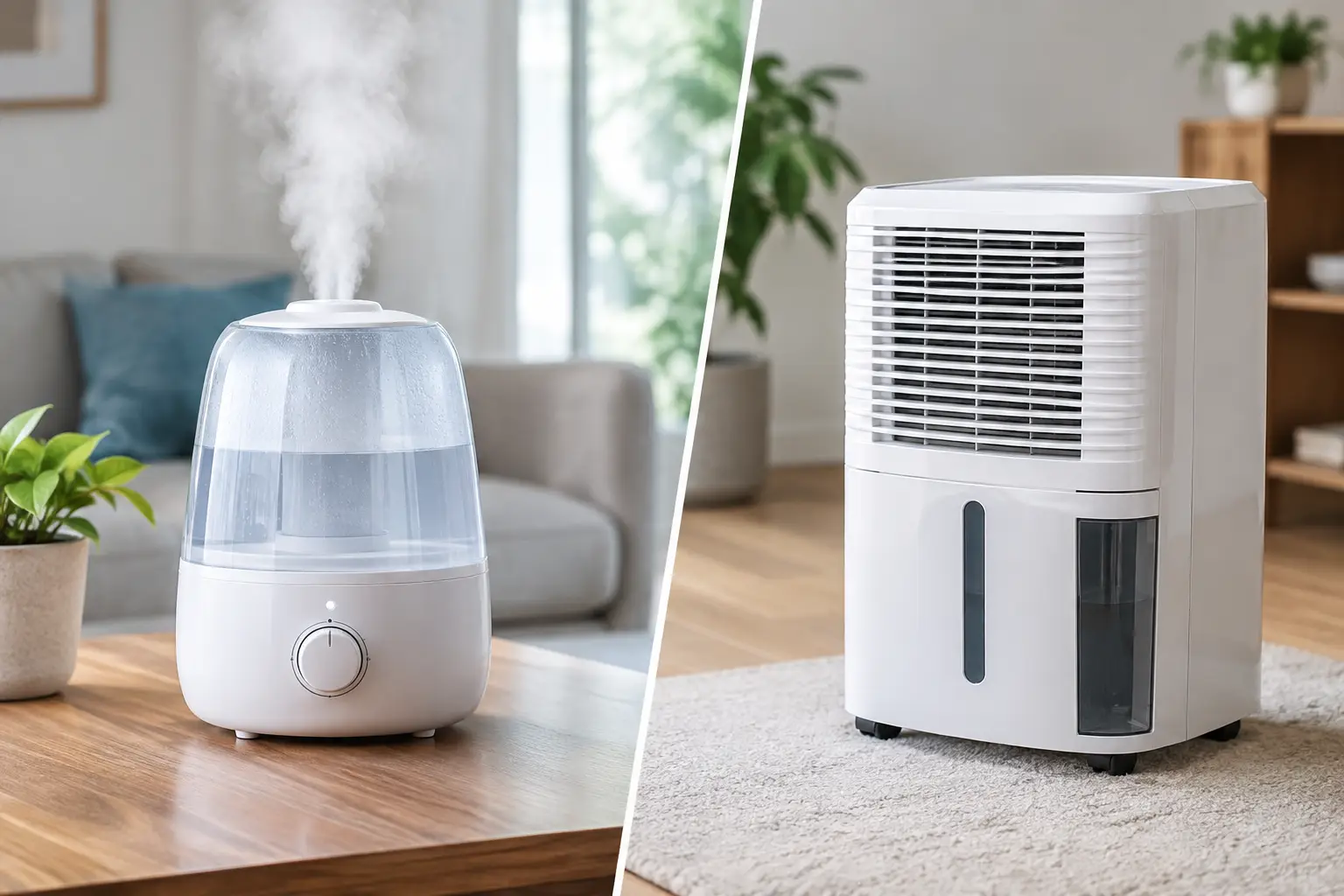
HVAC systems, which stand for heating, ventilation, and air conditioning, are essential for maintaining indoor comfort. These systems regulate temperature, humidity, and air quality, ensuring a pleasant environment in homes and businesses alike.
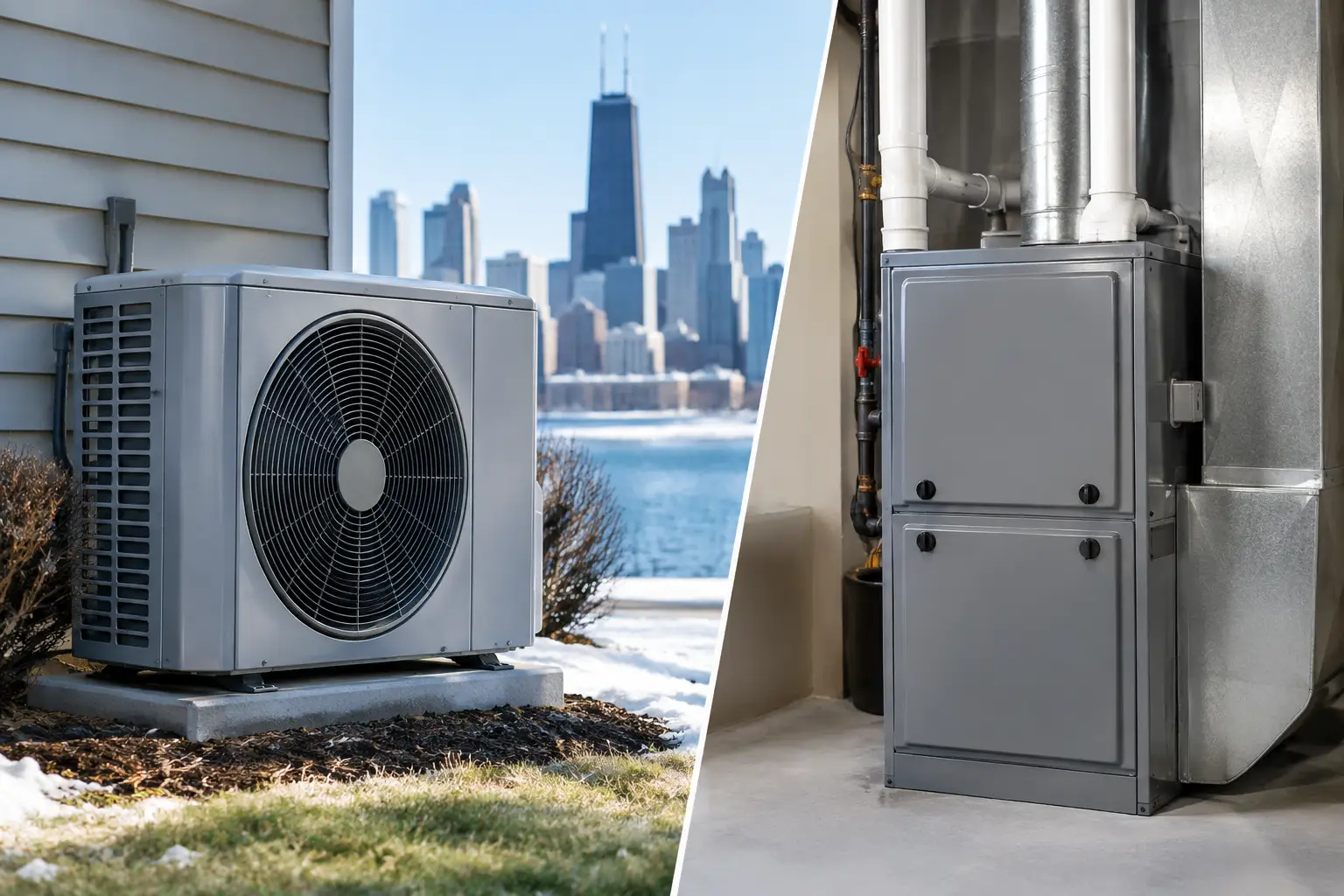
There are various types of HVAC systems, including split systems, ductless mini-splits, and central heating and cooling systems. Each type has its own advantages, depending on the specific needs of the space and the preferences of the occupants. Understanding these options can help homeowners make informed decisions about their heating and cooling solutions.
Benefits of Regular HVAC Maintenance
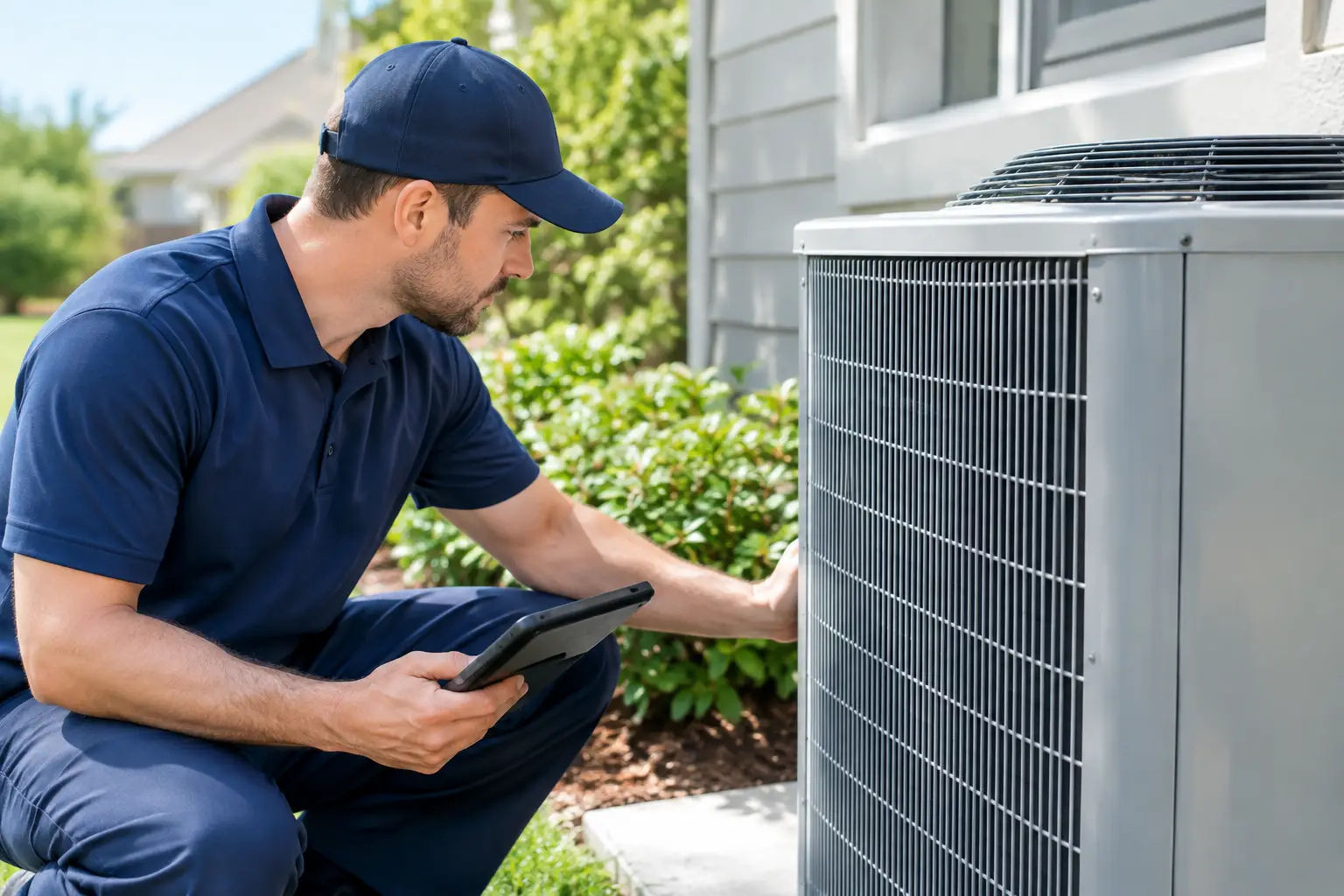
Regular maintenance of HVAC systems is crucial for optimal performance and longevity. Scheduled inspections can prevent unexpected breakdowns and costly repairs, ensuring that the system operates efficiently throughout its lifespan.
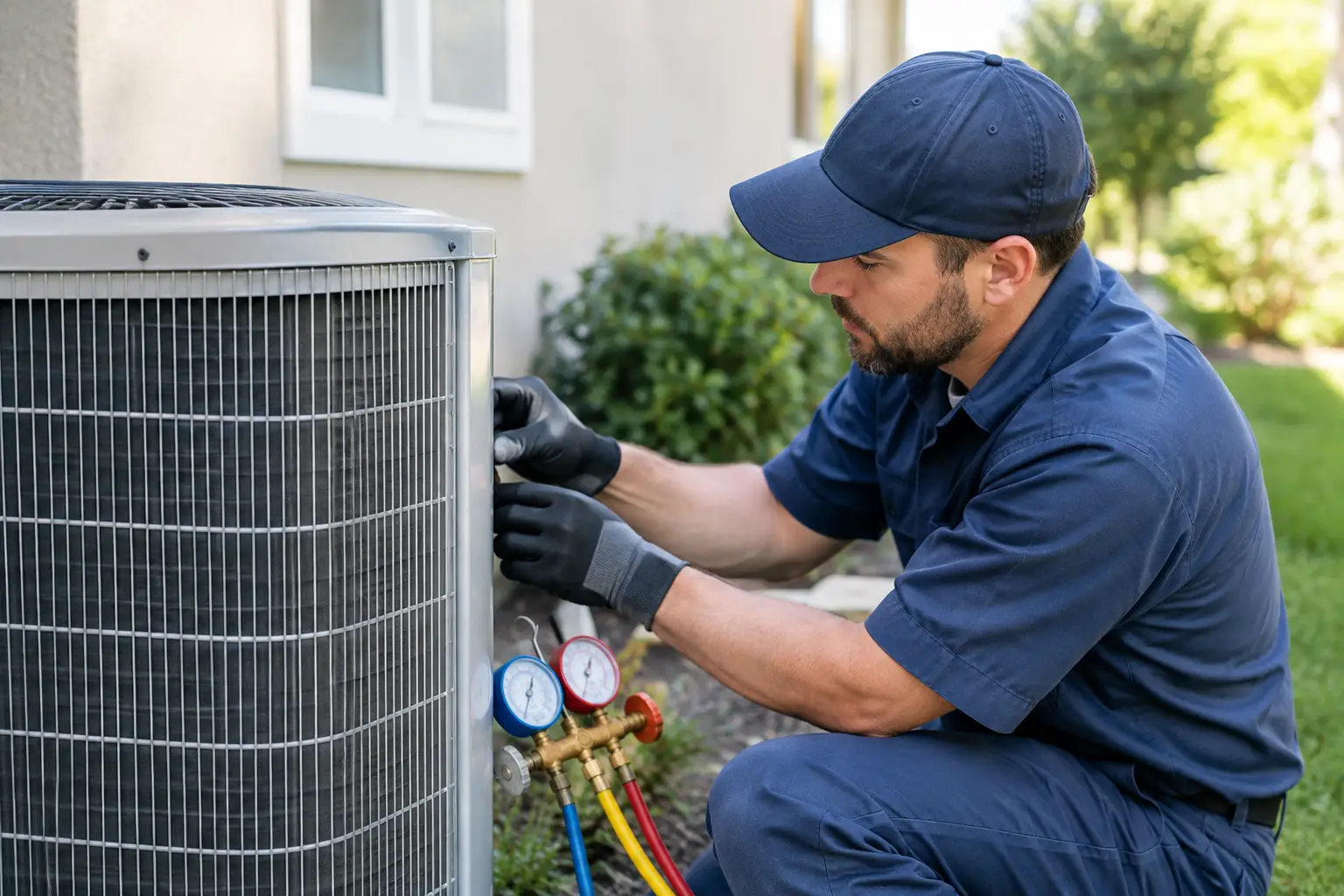
Routine maintenance includes tasks such as changing air filters, cleaning coils, and checking refrigerant levels. These practices not only enhance system efficiency but also improve indoor air quality, contributing to a healthier living environment for occupants.
Energy Efficiency Tips for Your HVAC System
Improving the energy efficiency of your HVAC system can lead to significant savings on utility bills. Simple adjustments and upgrades can enhance the system's performance while reducing energy consumption.
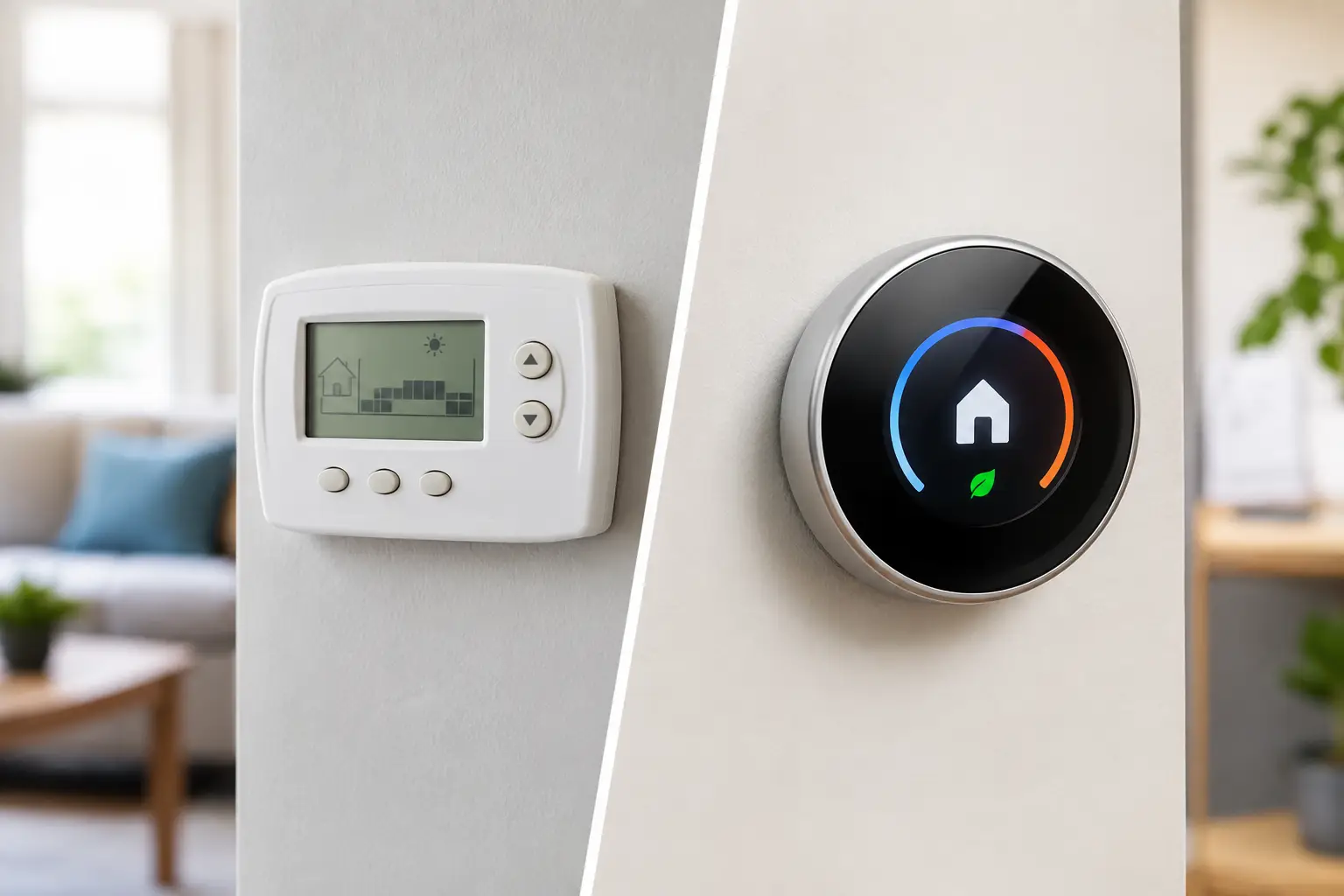
For instance, installing a programmable thermostat allows homeowners to optimize temperature settings based on their schedule. Additionally, sealing ductwork and ensuring proper insulation can prevent energy loss, making HVAC systems work more efficiently.
Choosing the Right HVAC System for Your Home
Selecting the right HVAC system for your home is a critical decision that affects comfort and energy costs. Factors such as the size of your home, local climate, and specific heating and cooling needs should be considered.
Consulting with HVAC professionals can provide insights into the best options available. They can assess your space and recommend systems that match your requirements, ensuring you invest in a solution that delivers both comfort and efficiency.
Understanding HVAC Systems
HVAC systems, which stand for heating, ventilation, and air conditioning, are essential for maintaining indoor comfort. These systems regulate temperature, humidity, and air quality, ensuring a pleasant environment in homes and businesses alike.
There are various types of HVAC systems, including split systems, ductless mini-splits, and central heating and cooling systems. Each type has its own advantages, depending on the specific needs of the space and the preferences of the occupants. Understanding these options can help homeowners make informed decisions about their heating and cooling solutions.
Benefits of Regular HVAC Maintenance
Regular maintenance of HVAC systems is crucial for optimal performance and longevity. Scheduled inspections can prevent unexpected breakdowns and costly repairs, ensuring that the system operates efficiently throughout its lifespan.
Routine maintenance includes tasks such as changing air filters, cleaning coils, and checking refrigerant levels. These practices not only enhance system efficiency but also improve indoor air quality, contributing to a healthier living environment for occupants.
Energy Efficiency Tips for Your HVAC System
Improving the energy efficiency of your HVAC system can lead to significant savings on utility bills. Simple adjustments and upgrades can enhance the system's performance while reducing energy consumption.
For instance, installing a programmable thermostat allows homeowners to optimize temperature settings based on their schedule. Additionally, sealing ductwork and ensuring proper insulation can prevent energy loss, making HVAC systems work more efficiently.
Choosing the Right HVAC System for Your Home
Selecting the right HVAC system for your home is a critical decision that affects comfort and energy costs. Factors such as the size of your home, local climate, and specific heating and cooling needs should be considered.
Consulting with HVAC professionals can provide insights into the best options available. They can assess your space and recommend systems that match your requirements, ensuring you invest in a solution that delivers both comfort and efficiency.