
Understanding HVAC Systems
HVAC systems play a crucial role in maintaining indoor comfort by regulating temperature, humidity, and air quality. Understanding the components and functions of these systems can help homeowners make informed decisions regarding their heating and cooling needs.
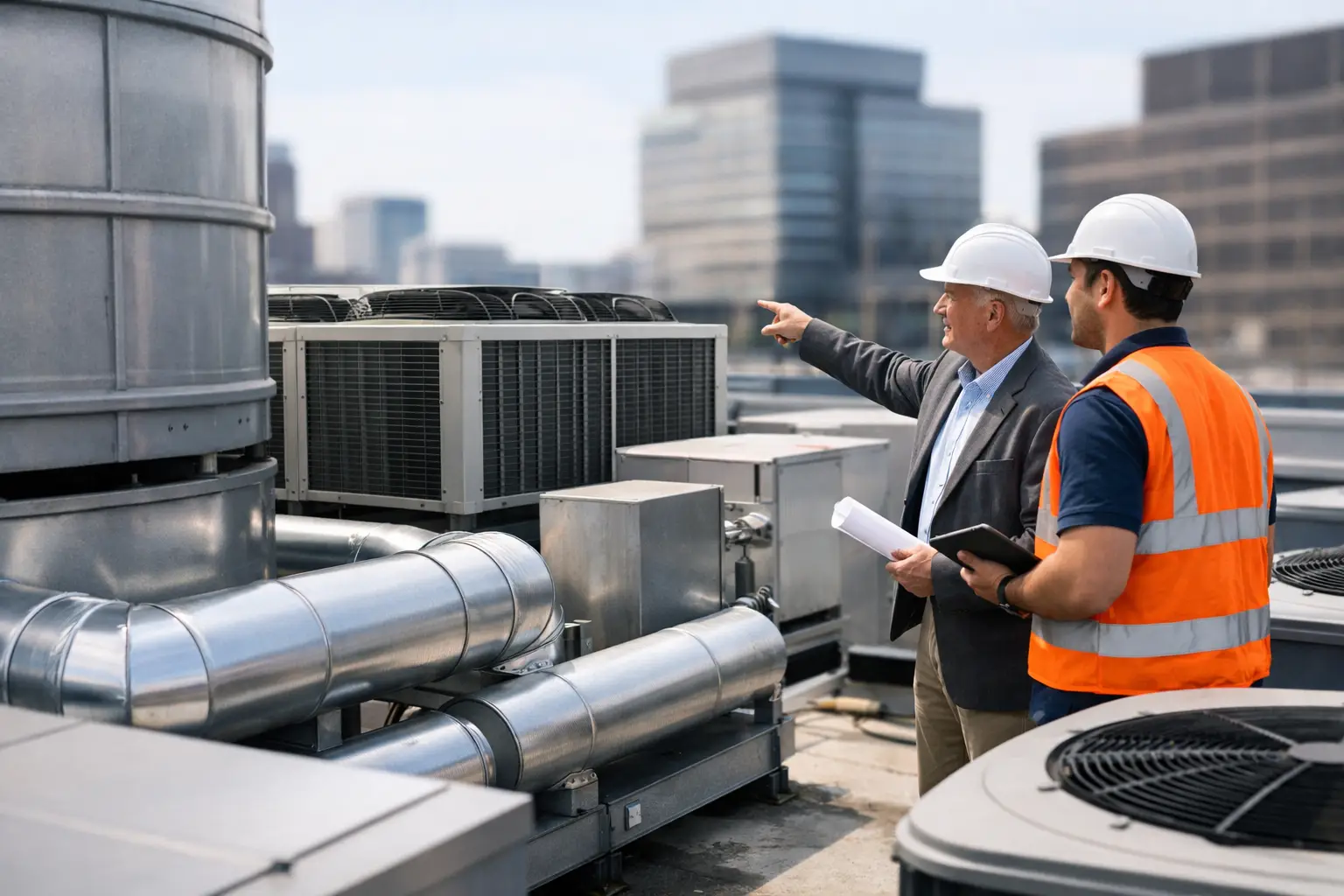
Key components of an HVAC system include the furnace, air conditioner, heat pump, and ventilation system. Each component works together to provide efficient climate control, ensuring that your home remains comfortable throughout the year, regardless of external weather conditions.
Benefits of Regular HVAC Maintenance
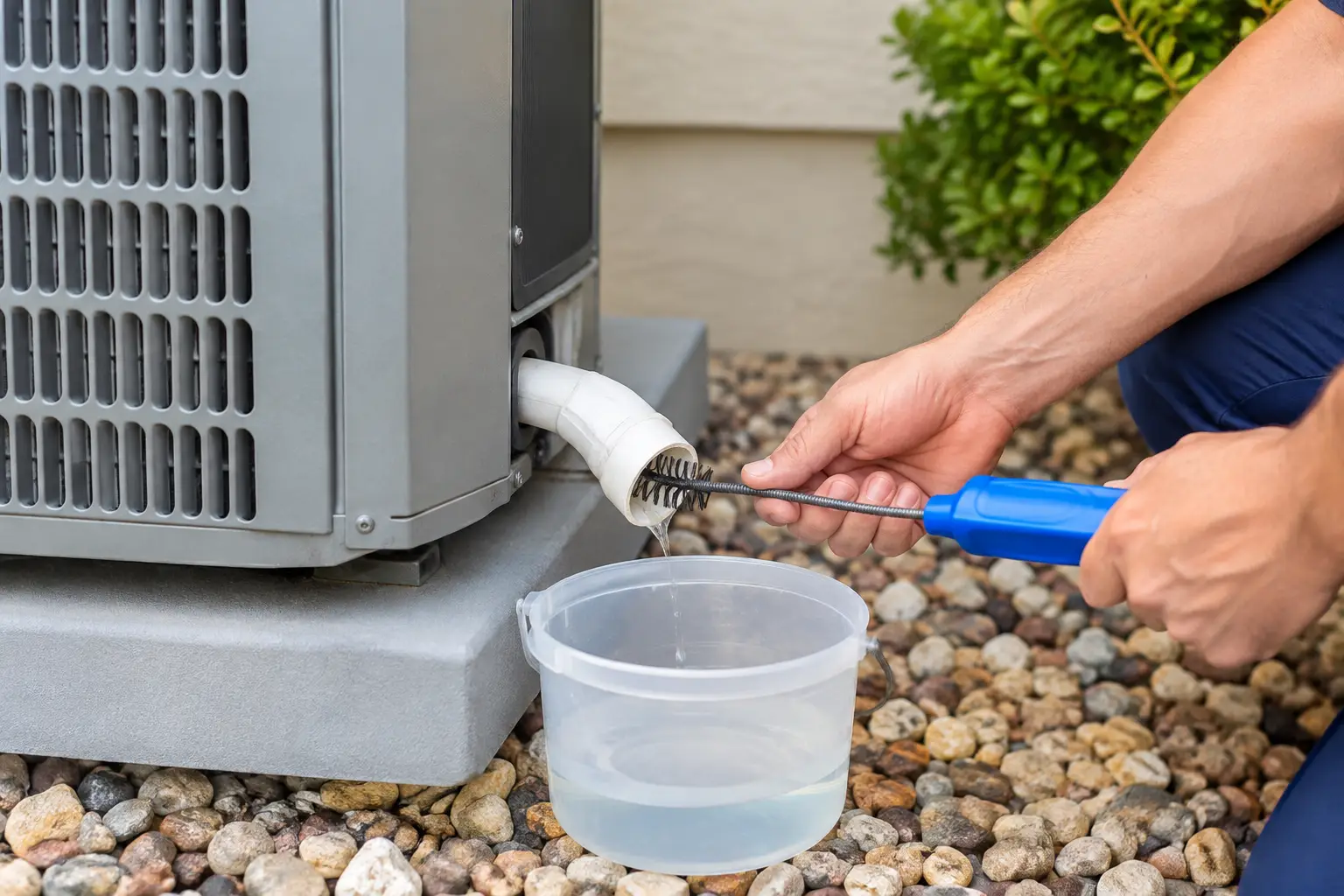
Regular maintenance of HVAC systems is essential to ensure optimal performance and longevity. Routine check-ups can prevent costly repairs and enhance energy efficiency, ultimately saving homeowners money on utility bills.
Choosing the Right HVAC System for Your Home
Selecting the appropriate HVAC system is vital for achieving energy efficiency and comfort in your home. Factors to consider include the size of your home, climate, and specific heating and cooling needs.
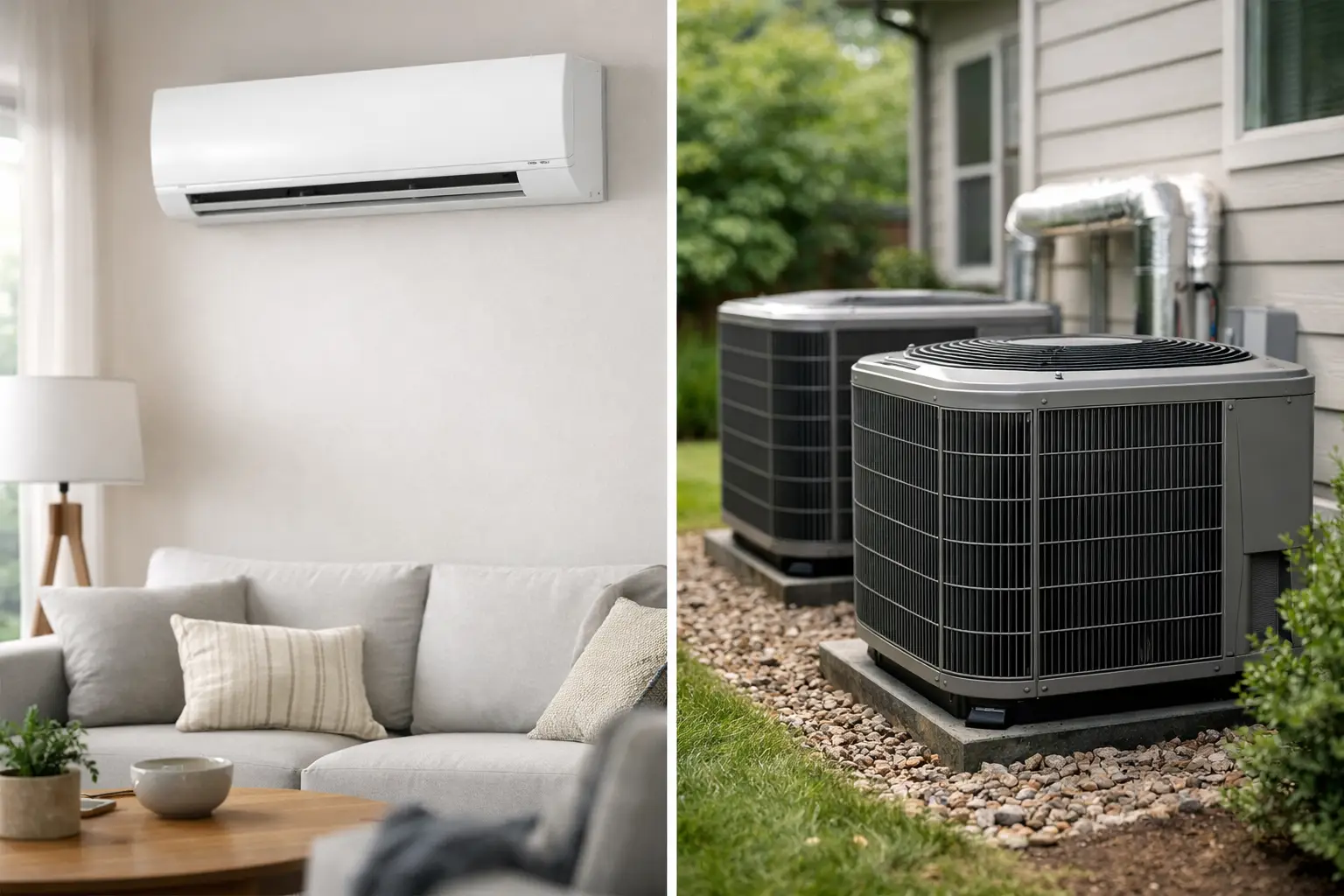
Consulting with HVAC professionals can help you navigate the various options available, such as central air conditioning, ductless systems, and heat pumps. By understanding your requirements, you can make an informed choice that suits your lifestyle and budget.
Common HVAC Problems and Solutions
Homeowners often encounter common HVAC issues, such as insufficient heating or cooling, strange noises, or poor air quality. Recognizing these problems early can prevent further damage and ensure a comfortable home environment.
Solutions may include simple fixes like replacing filters or adjusting thermostats, while more complex issues might require professional intervention. Understanding these common problems can empower homeowners to take action promptly and maintain their HVAC systems effectively.